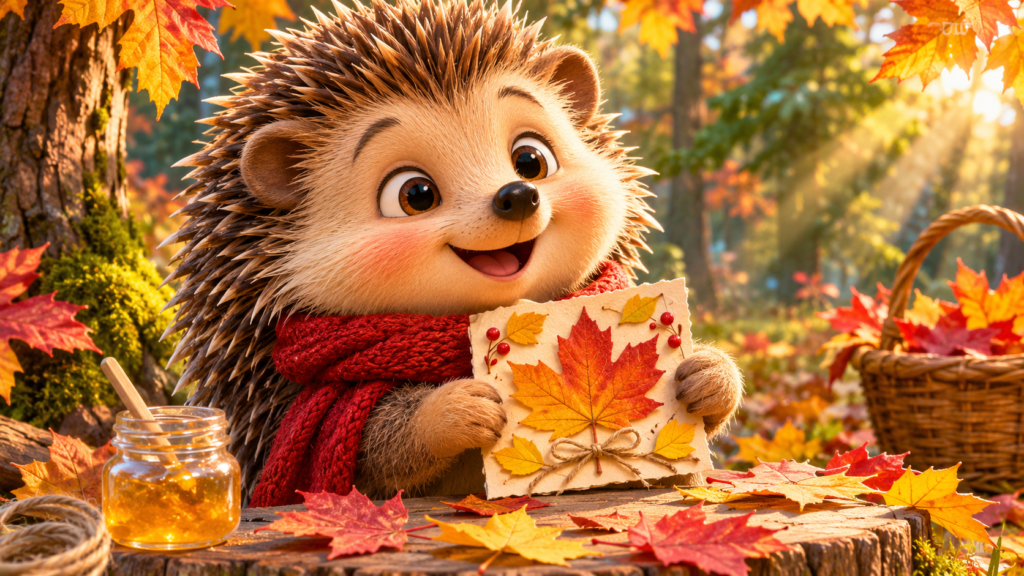
A fairy tale for children ages 4–8
How the Little Hedgehog Learned to Say No is a fairy tale about kindness and friendship.
How can a little hedgehog say no to a friend without losing that friend? It turned out to be easier than he had imagined.
For a long time, the little hedgehog had been afraid of one particular word. But that word was not nearly as prickly as he thought.
A Morning with a Greeting Card
One morning, the little hedgehog woke up with a wonderful idea: today he would make a greeting card for his mother using colorful autumn leaves.
He prepared some glue made from tree resin and arranged beautiful leaves on a tree stump—red ones, yellow ones, and leaves with lovely jagged edges. Just as he was about to begin, Squirrel came running over.
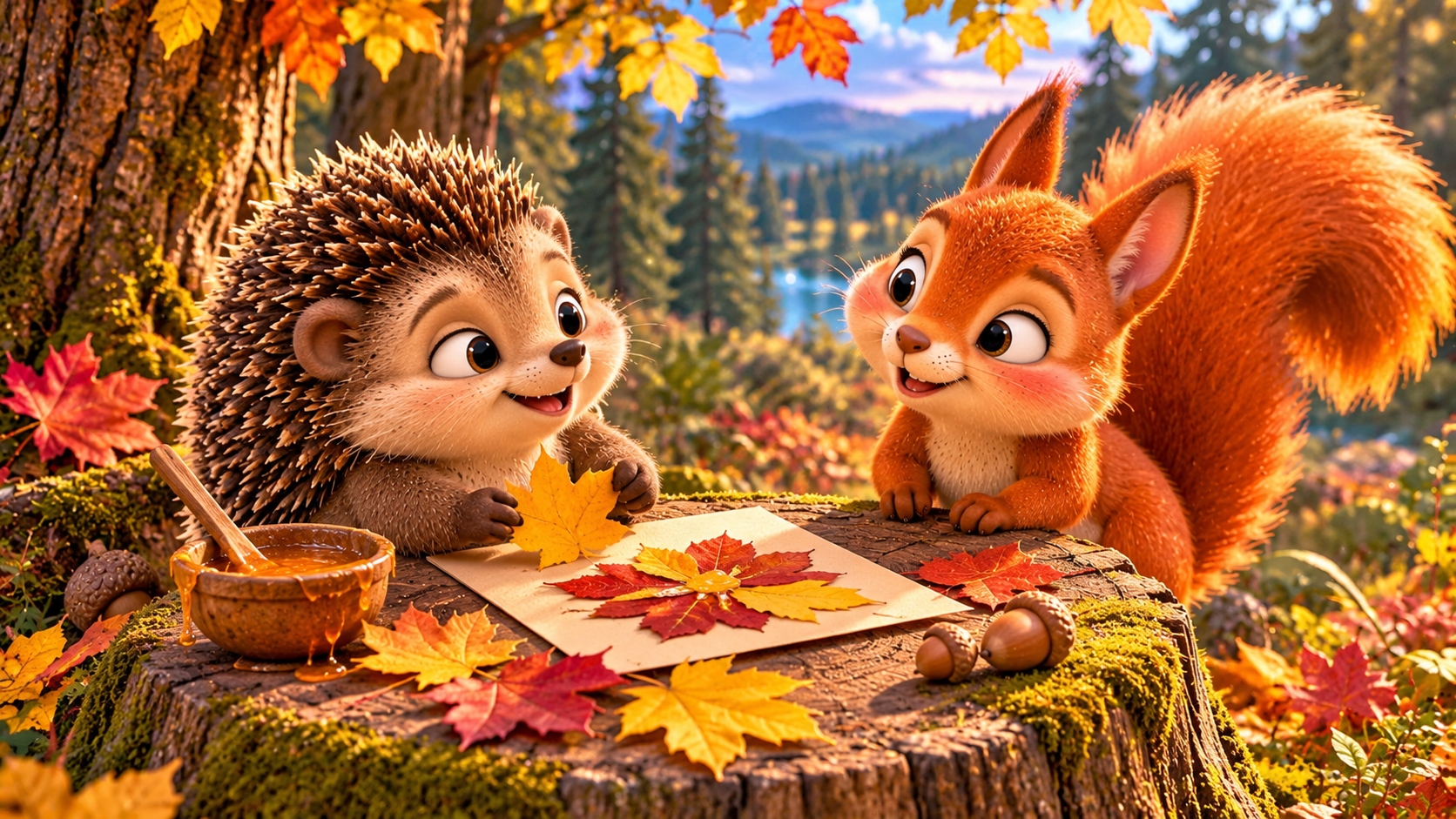
“Hedgehog, could you please help me collect nuts? There are so many, and my little paws are so small!”
The little hedgehog wanted to say that he was busy. But then he thought:
“Squirrel needs help. How can I say no?”
So he answered:
“Of course, I’ll help you!”
They collected nuts together until lunchtime.
A Day Full of Requests
Then Little Rabbit came hopping along.
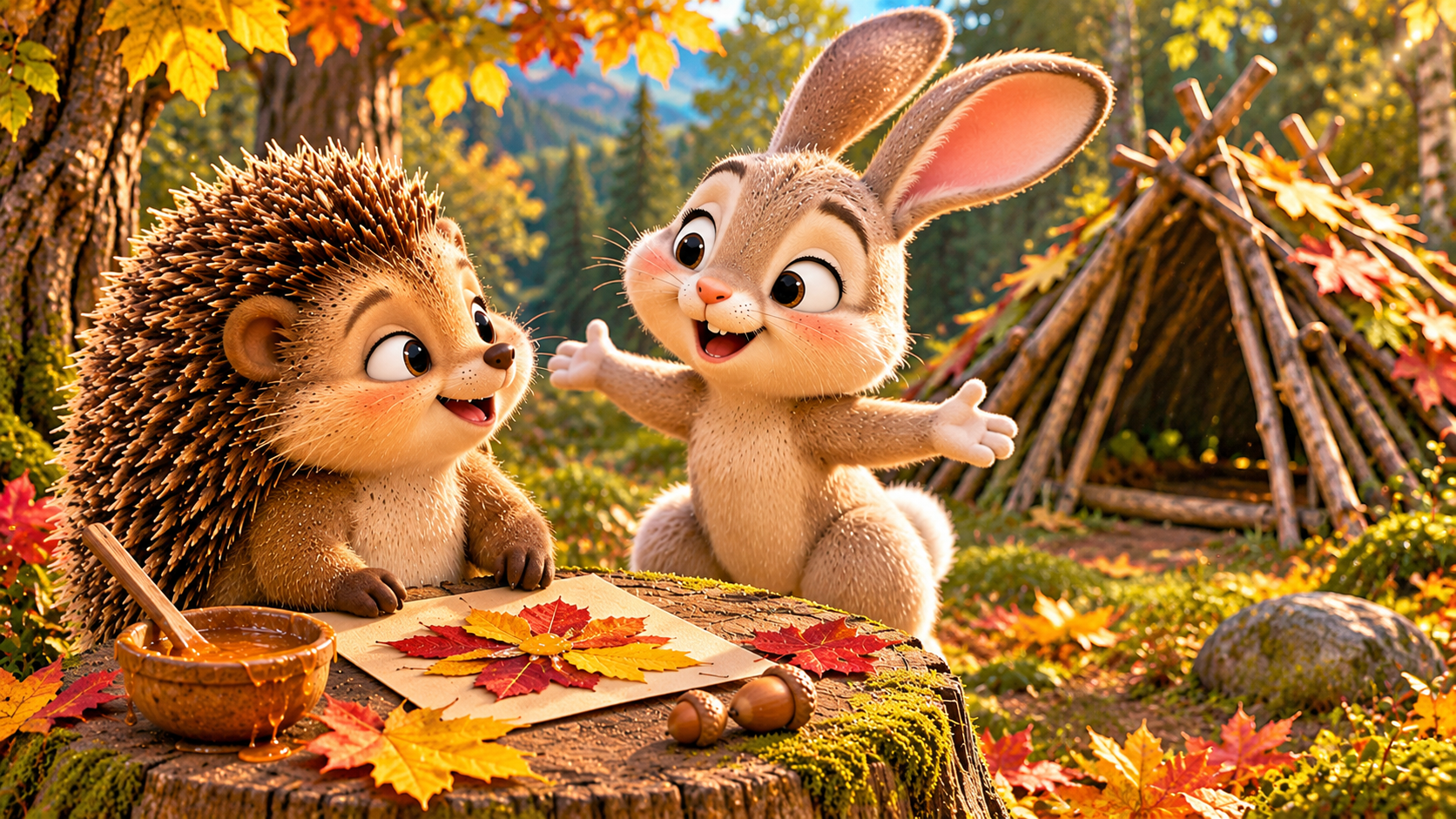
“Hedgehog, come and help me build a little shelter! I can’t do it without you!”
The little hedgehog wanted to say again that he needed to finish his greeting card. But he was afraid of hurting his friend’s feelings, so he went to help build the shelter.
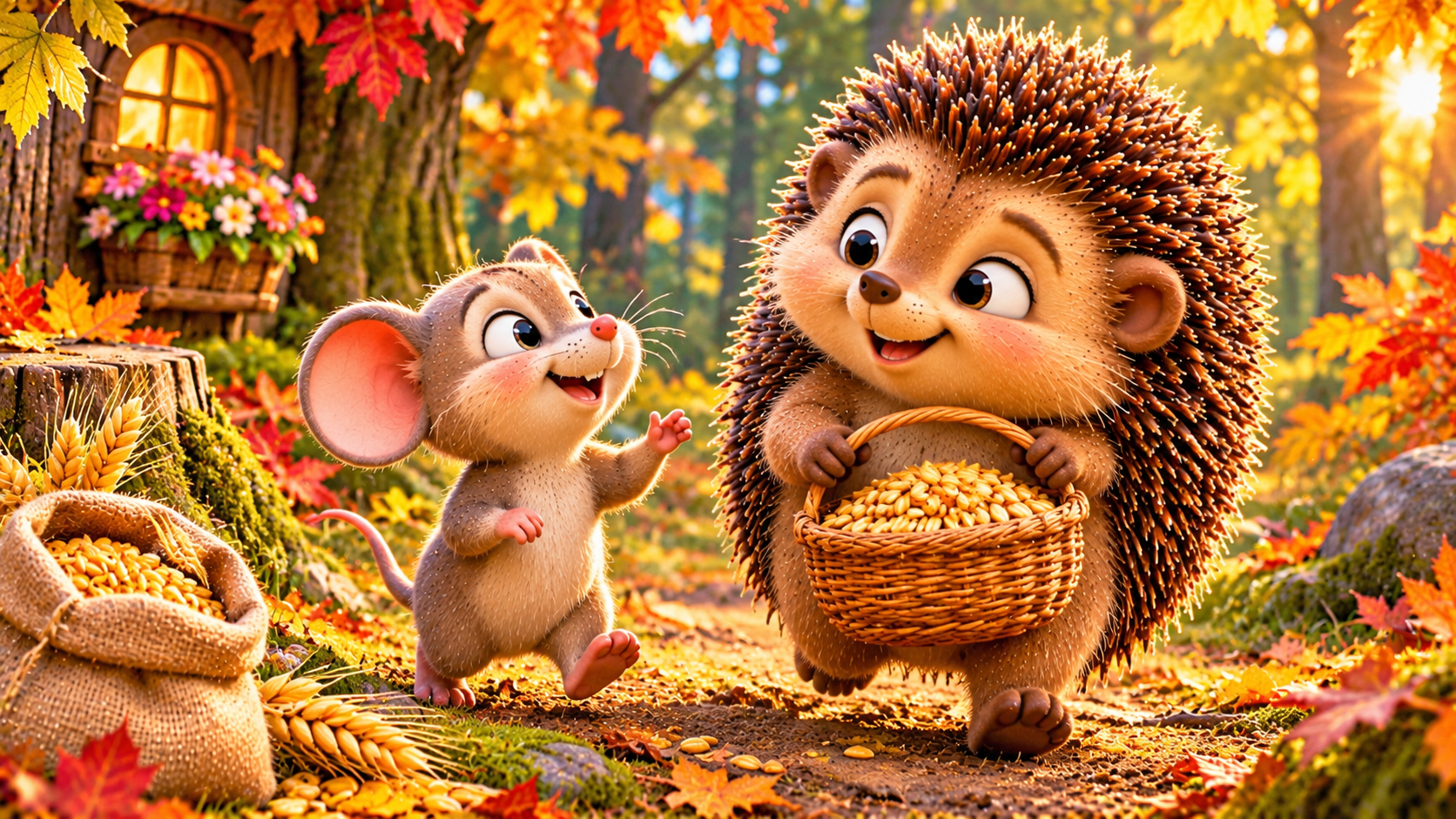
After that, Little Mouse asked him to help carry some grains.
Then Badger invited him to play ball.

Later, Mole asked him to hold a lantern while he dug.

By evening, the little hedgehog was completely exhausted. The greeting card was still unfinished on the tree stump. The leaves had wilted, and the glue had dried up.
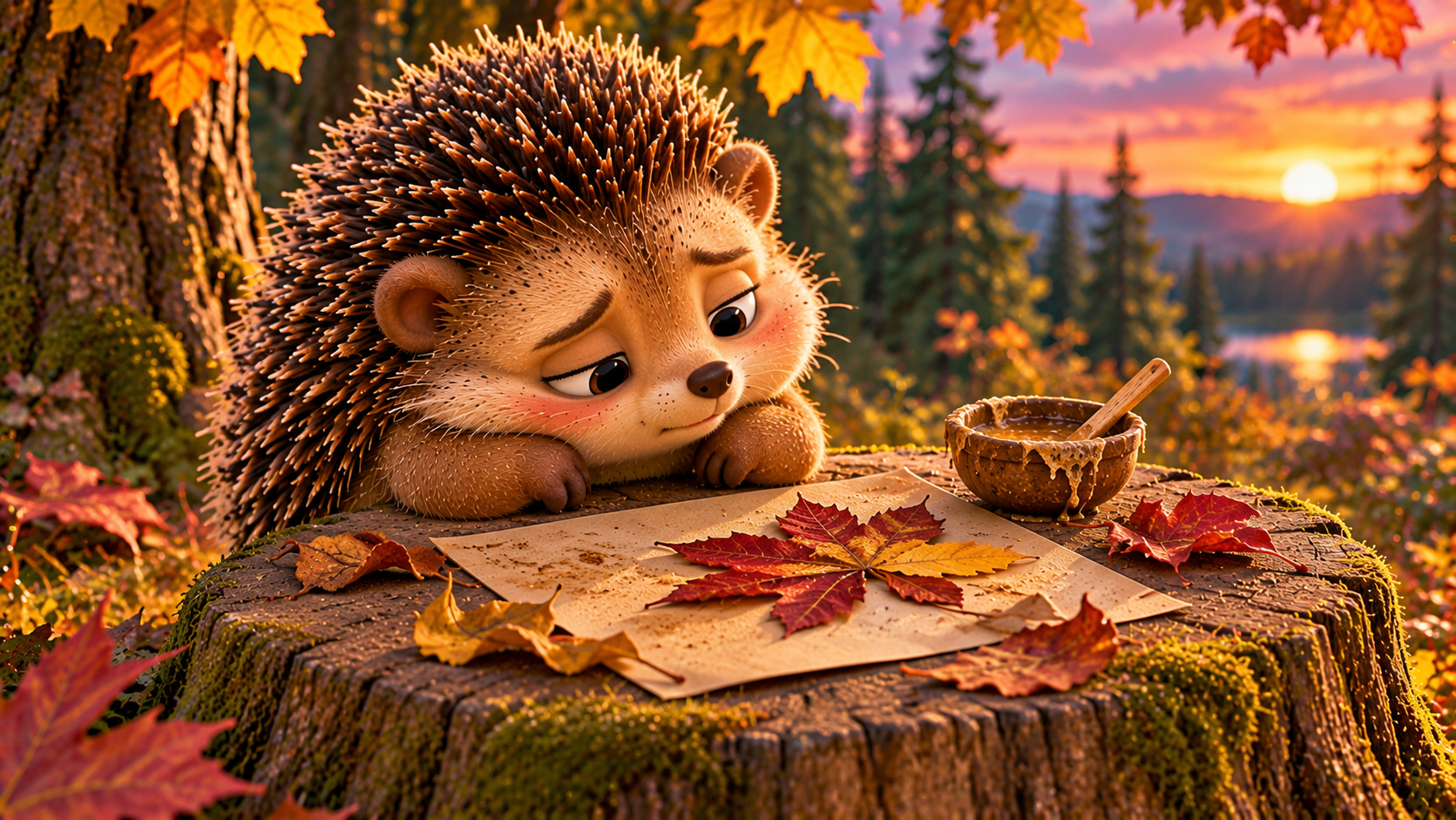
The little hedgehog sat down under a bush and sighed softly:
“I helped everyone, but I didn’t get anything of my own done. And somehow, I don’t feel happy at all.”
A Talk with Grandma Owl
Just then, Grandma Owl happened to walk by. She noticed that the little hedgehog looked sad and asked:
“What’s wrong, little one?”

The hedgehog told her everything.
Owl gently shook her head and said kindly:
“Hedgehog, helping your friends is a wonderful thing. But if you always say ‘yes’, even when you need to do your own work or have a rest, you can become tired and upset.
Learning to say ‘no’ is important, too. You just need to say it kindly.”
“But won’t my friends be upset?” the little hedgehog asked in surprise.
“If you speak politely and explain why you can’t do something right now, they won’t be upset,” Owl replied.
“For example, you could say: ‘Thank you for asking, but I need to finish my greeting card first. Let’s play later.’”
The Next Morning
The next morning, the little hedgehog sat down to work on his greeting card again.
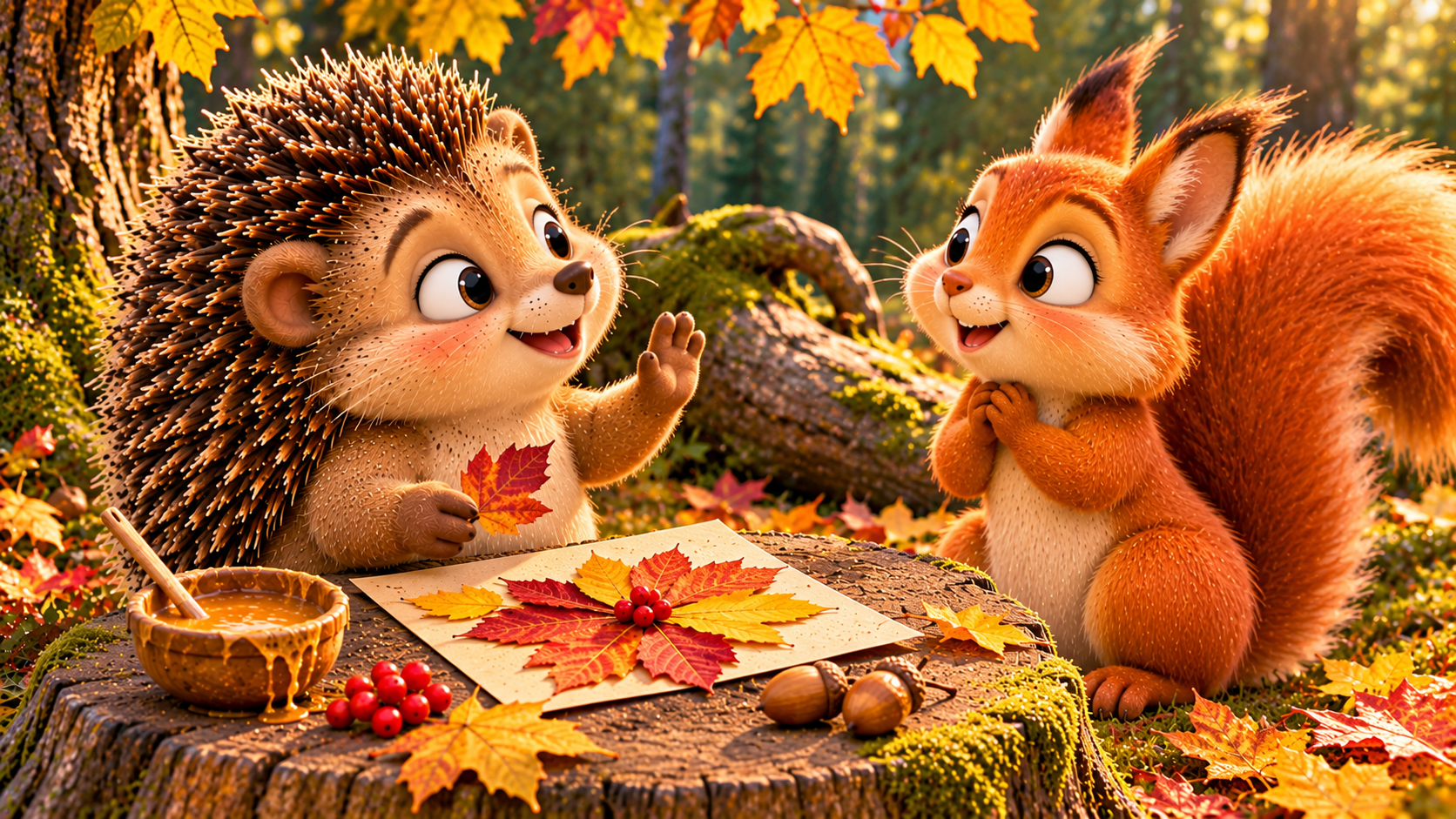
Just then, Squirrel came running over.
“Hedgehog, come and jump over the tree stump with me!”
The little hedgehog took a deep breath and said:
“Thank you, Squirrel, but I’m finishing a present for my mother right now. Shall we play after lunch?”
At first, Squirrel looked surprised, but then she nodded.
“All right! I’ll wait. Making a present for your mother is important!”
The little hedgehog smiled. Saying “no” wasn’t frightening at all!
He calmly finished his greeting card, and after lunch he happily played with Squirrel.
Later, Little Rabbit invited him to build a shelter together.
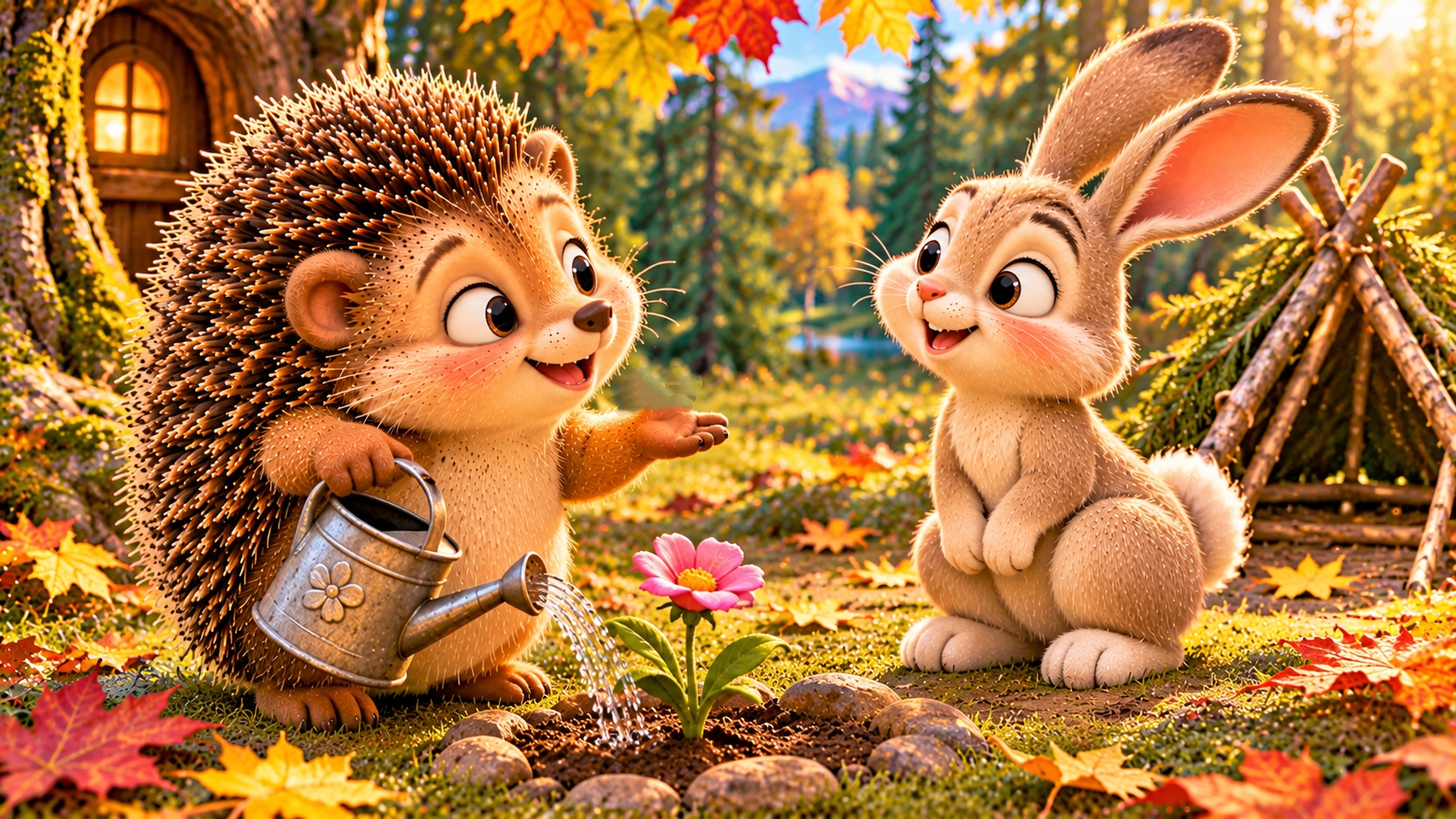
The little hedgehog replied:
“I’d be happy to help, but first I need to water the flower we planted together. I’ll come a little later.”
Little Rabbit didn’t get upset. And when the little hedgehog arrived, they built the coziest shelter in the whole forest.
An Important Lesson
From that day on, the little hedgehog continued helping his friends, but he didn’t forget about his own tasks.
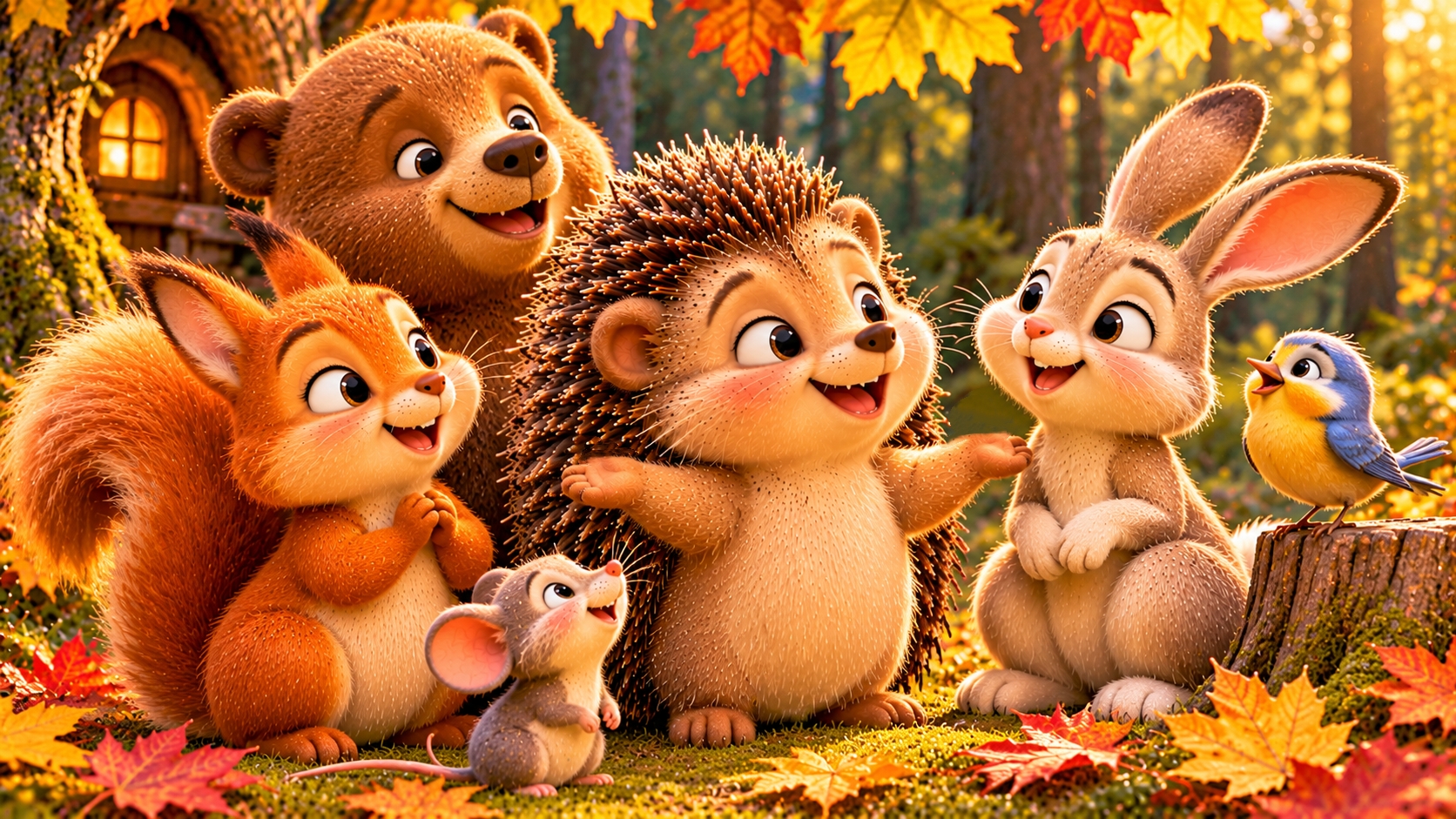
He understood that saying “no” did not mean being unkind. It meant being honest about what he needed and showing respect for both himself and others.
That evening, he gave his mother the greeting card he had made from autumn leaves.

His mother hugged him and said:
“How beautiful! And do you know, Hedgehog? I’m so happy that you’ve learned to take care of your time while still being a kind friend.”
The little hedgehog curled up into a ball and drifted off to sleep with a happy little snuffle.

Now he knew for sure: a kind “no” can be just as warm as a kind “yes”.
The Wisdom of the Story
Knowing how to say “no” does not mean being mean or selfish. It means being honest with yourself and with others.
A kind “no” helps us protect our time, energy, and important tasks without hurting our friends.
And so the little hedgehog learned that helping others is good, but it is important to remember yourself, too.
Because a good friend is someone who knows how to offer support and, when necessary, say:
“I can’t right now, but I’ll come back later.”
That way, friendship grows even stronger, and every kind deed comes from the heart.
Recommendations for Parents
1. Talk about the story together.
Ask your child: “Why did the little Hedgehog help everyone at first but become sad later?” “Why do you think his friends were not upset when he said ‘no’?” This will help your child better understand the main message of the story.
2. Explain that saying “no” can be kind.
Tell your child that refusing a request does not mean being unkind. What matters is speaking calmly, politely and explaining the reason: “I’m busy right now, but I can help you later.”
3. Teach your child to value their time and energy.
Help your child recognise when they are tired or busy with something important. Encourage them to say: “I need to finish this first, and then we can play.”
4. Set a good example.
Children learn from adults. If you can politely say no while remaining kind and friendly, your child will learn from your example.
5. Support your child if they are afraid of hurting someone’s feelings.
If your child worries that saying no might upset a friend, talk together about this question: “How can you say no without hurting your friend’s feelings?” Act out little scenes together using toys.
6. Praise your child for being honest.
When your child honestly expresses their wishes or explains that they are busy, acknowledge it: “Well done! You told me that you needed to finish your craft project first. That was honest.”
7. Remind your child that helping others is good, but they must not forget about themselves.
Create a little “Hedgehog Rule” together: “First, finish what is important; then play with friends.” This will help your child learn to balance caring for others with taking care of themselves.
A Short Reminder for Parents
-
Talk with your child about why the little Hedgehog became sad and how he overcame his difficulties.
-
Explain that saying “no” can be kind and polite.
-
Teach your child to value their time and energy.
-
Set a good example: say no calmly and kindly.
-
Support your child if they are afraid of upsetting a friend by refusing.
-
Praise your child for being honest.
-
Remember: helping others is good, but it is important not to forget about yourself.
Discussion Questions by Chapter
A Morning with a Greeting Card
-
What did the little Hedgehog want to do that morning?
-
Why did he immediately agree to help Squirrel?
-
Do you think he really wanted to help, or was he simply unable to say no?
A Day Full of Requests
-
How many friends asked the little Hedgehog for help?
-
Why didn’t he say that he was busy?
-
What happened to his greeting card by the evening?
-
Why did the little Hedgehog become sad?
A Talk with Grandma Owl
-
What advice did Owl give the little Hedgehog?
-
How can you say “no” politely?
-
Do you think his friends would have been upset if the little Hedgehog had honestly explained what he needed to do?
The Next Morning
-
How did the little Hedgehog answer Squirrel? Why wasn’t she upset?
-
What did he say to Little Rabbit?
-
How did the little Hedgehog’s mood change?
An Important Lesson
-
What did the little Hedgehog learn?
-
Why was his mother happy?
-
Why do you think a kind “no” can feel just as warm as a kind “yes”?
✨ About the Author
My name is Grandma Tanya.
I write loving and caring stories for children.
I hope that through these stories, children will discover friendship, kindness, and consideration for others.
👉 Thank you for reading these loving stories to your children. 💛
[wpforms id="858"]